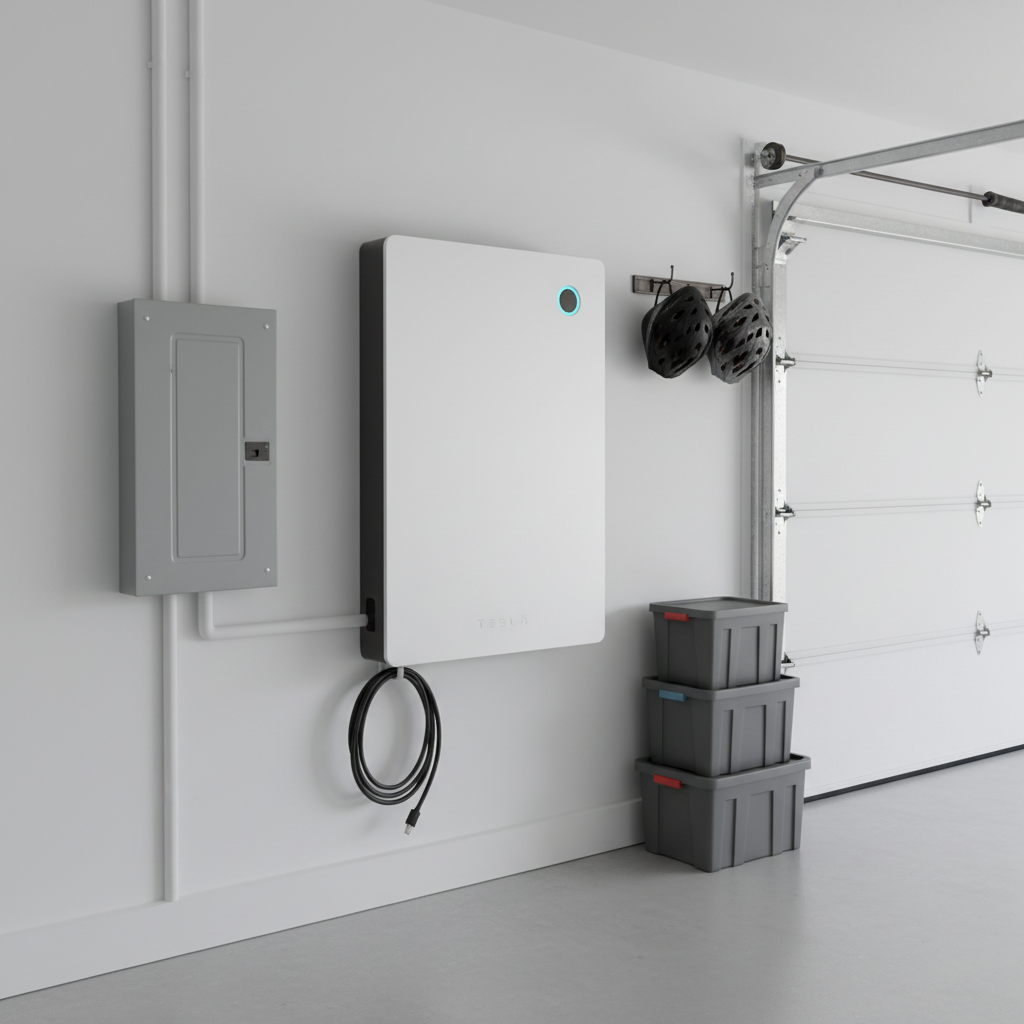
Complete Battery Storage Guide for Toronto 2025
Costs, rebates, backup power, solar pairing—everything you need to know about home batteries
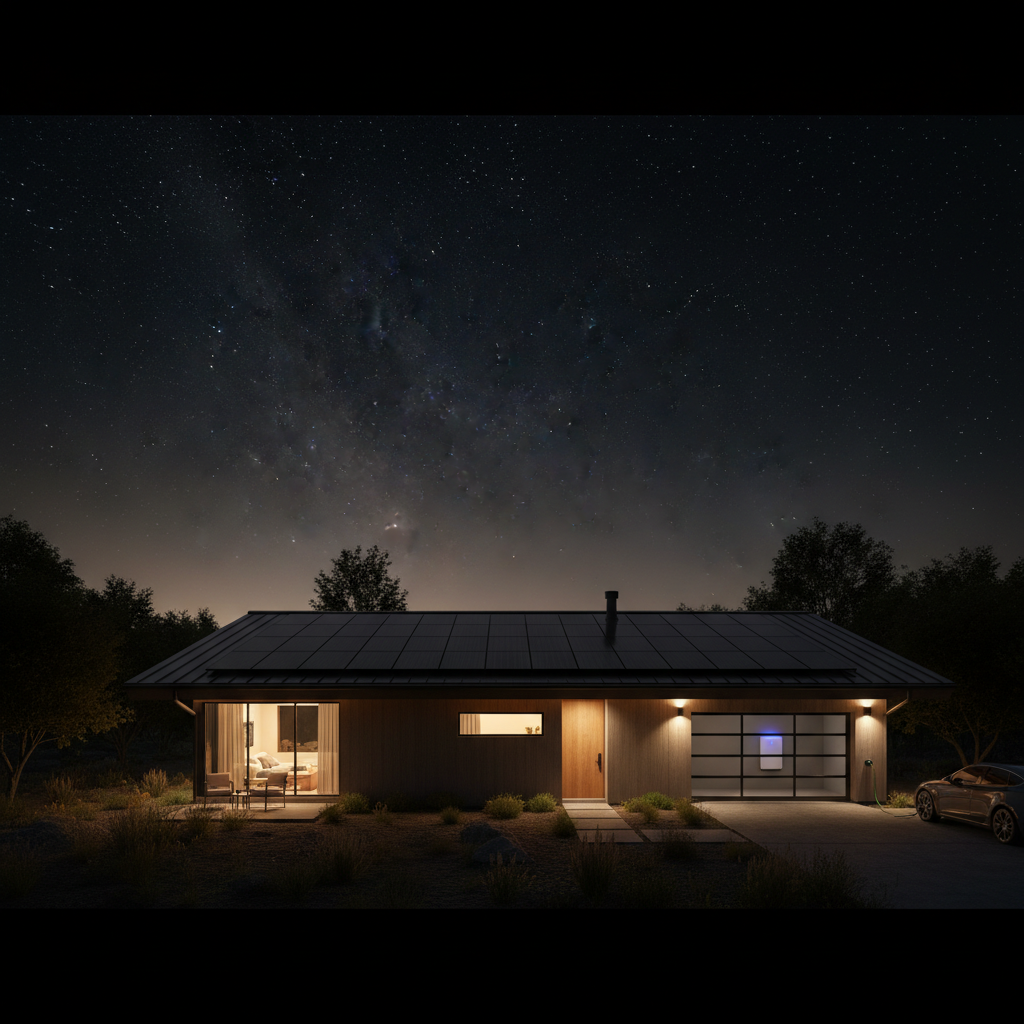
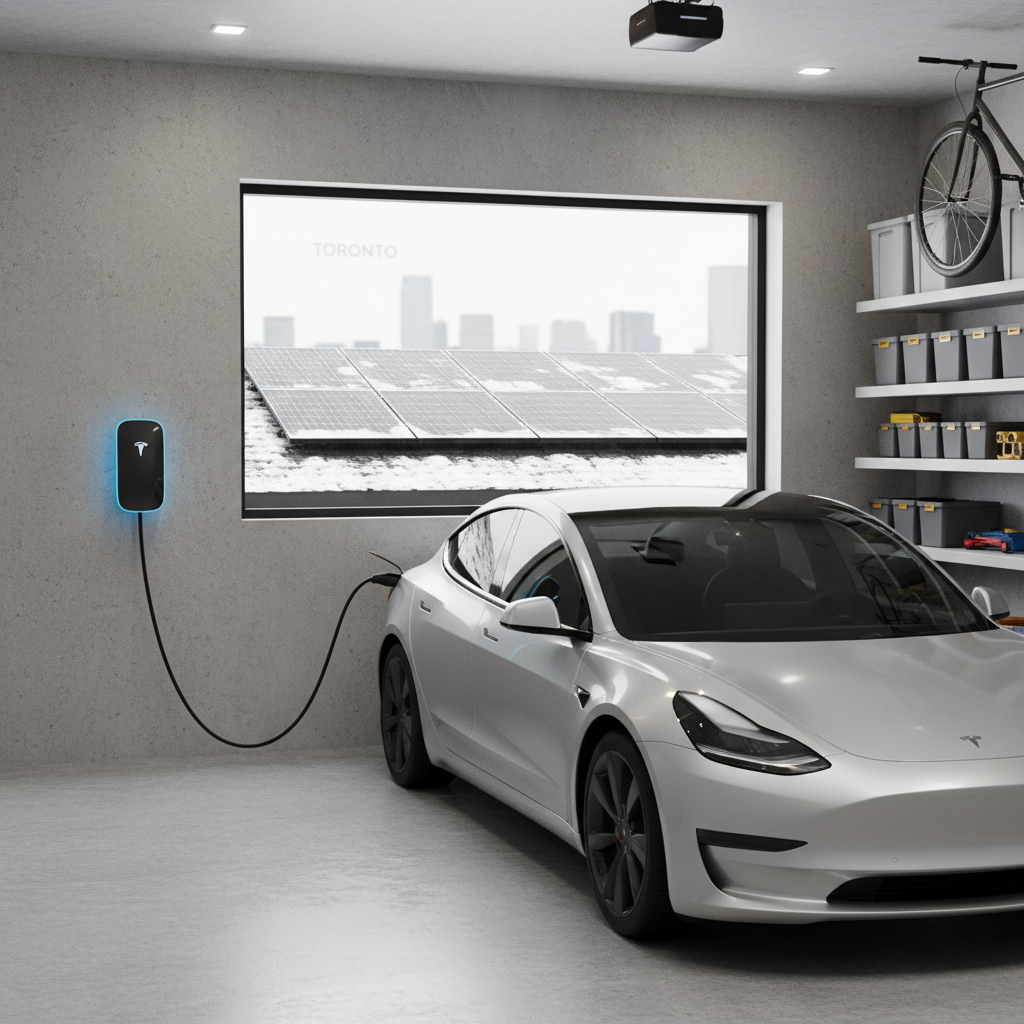
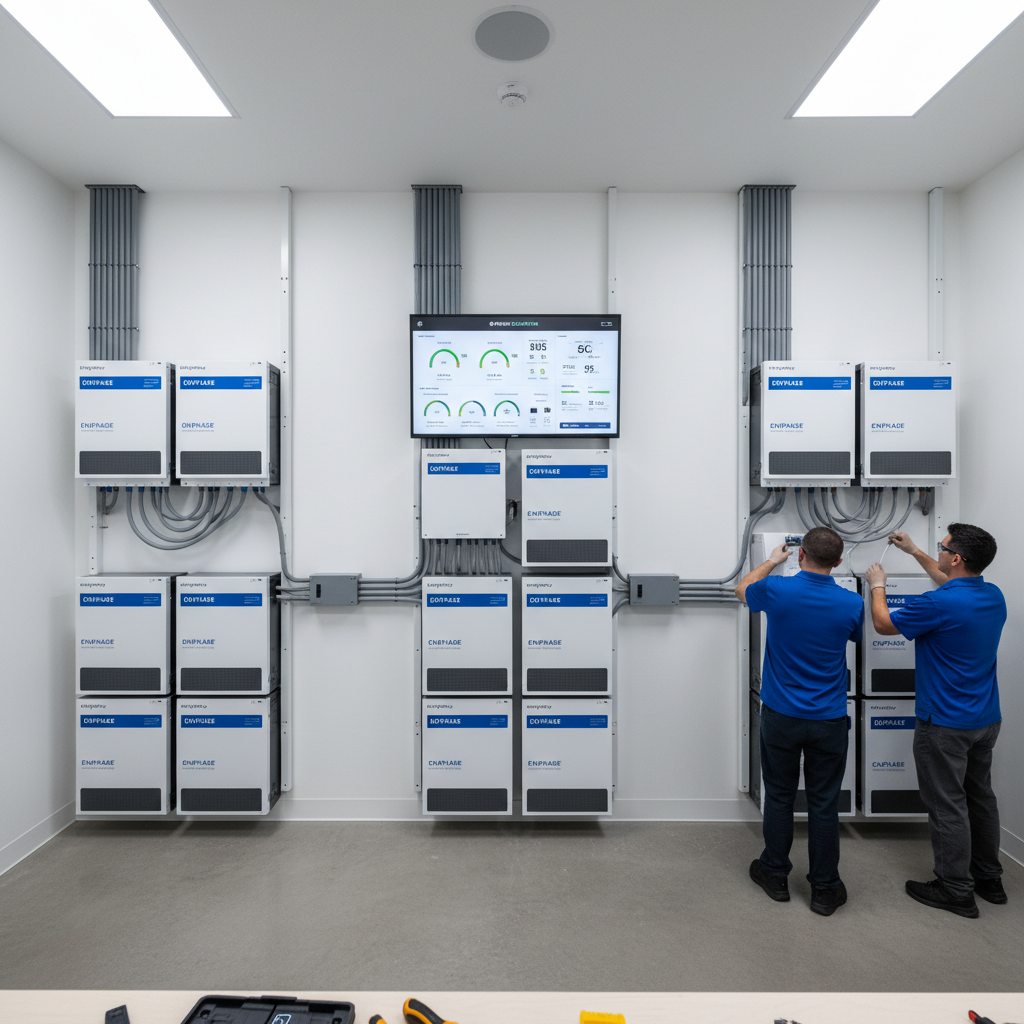
A home battery (or "battery energy storage system") is a large lithium-ion battery—similar to electric car batteries—that stores electricity from the grid or solar panels. It provides backup power during outages and time-of-use savings by charging when electricity is cheap and discharging when it's expensive.
Backup Power
Automatically kicks in during blackouts. Powers fridge, lights, furnace, WiFi for 24-48 hours.
TOU Savings
Charge at off-peak (7¢/kWh), discharge at on-peak (18¢/kWh). Save $600-$1,200/year.
Solar Pairing
Store excess solar production for nighttime use. Achieve 85-95% net-zero (vs 70% solar-only).
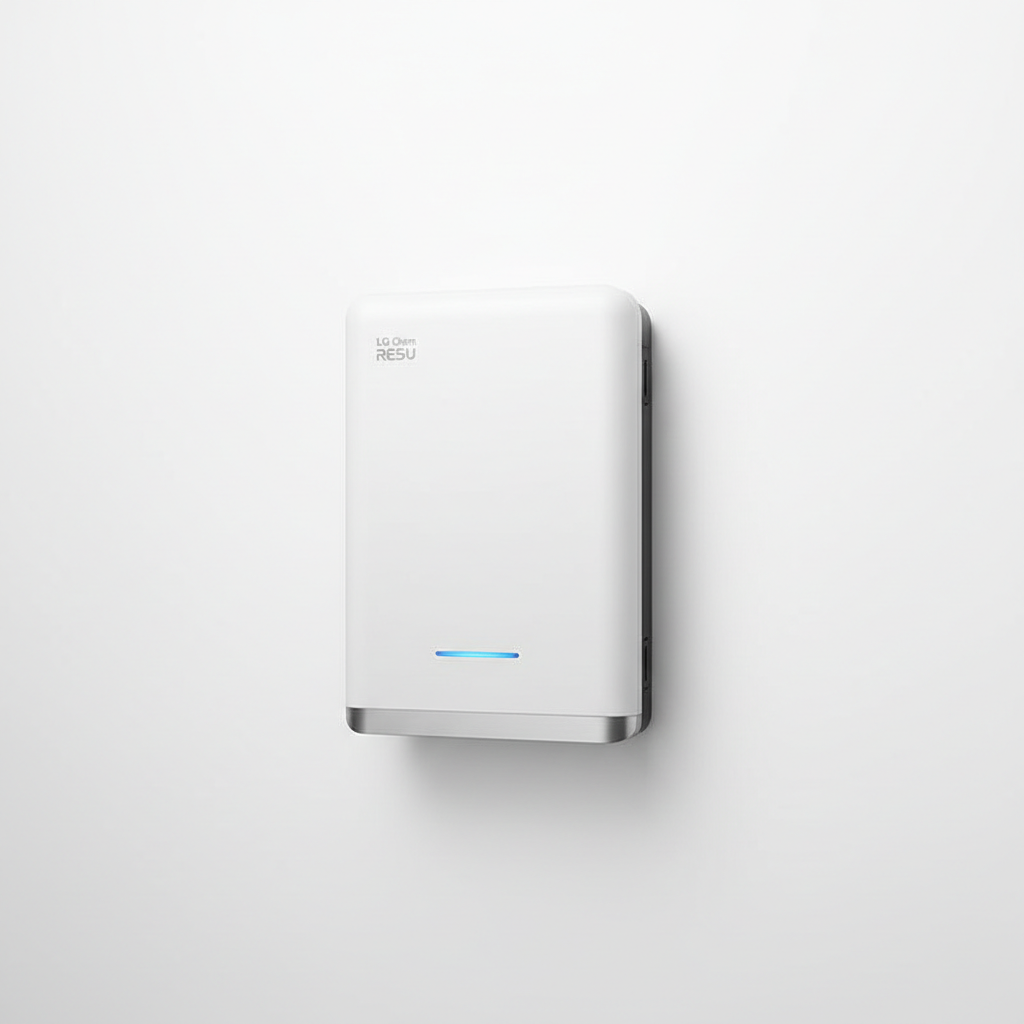
Tesla Powerwall 2
13.5 kWh usable storage • 10 years warranty
LG Chem RESU
9.8-16 kWh usable storage • 10 years warranty
Enphase IQ Battery
10.08-40.32 kWh usable storage • 15 years warranty
🏠 Backup Power Only
Keep essentials running during outages
Best for: Areas with frequent blackouts, critical medical equipment
💡 TOU Optimization
Charge at off-peak, discharge at peak
Best for: Hydro One customers with time-of-use billing
☀️ Solar + Battery
Store excess solar, achieve 90%+ net-zero
Best for: Maximize solar investment, energy independence
Battery Energy Storage Systems
$300/kWh up to $5,000 (max 50% of equipment costs)
Eligibility Requirements:
- Must be paired with solar panels OR enrolled in TOU billing
- Minimum 5 kWh usable capacity
- Installed by HRSP participating contractor
- CSA-certified battery system
Calculation Example:
Tesla Powerwall 2 (13.5 kWh) = 13.5 × $300 = $4,050 rebate
LG Chem RESU (16 kWh) = 16 × $300 = $4,800 rebate

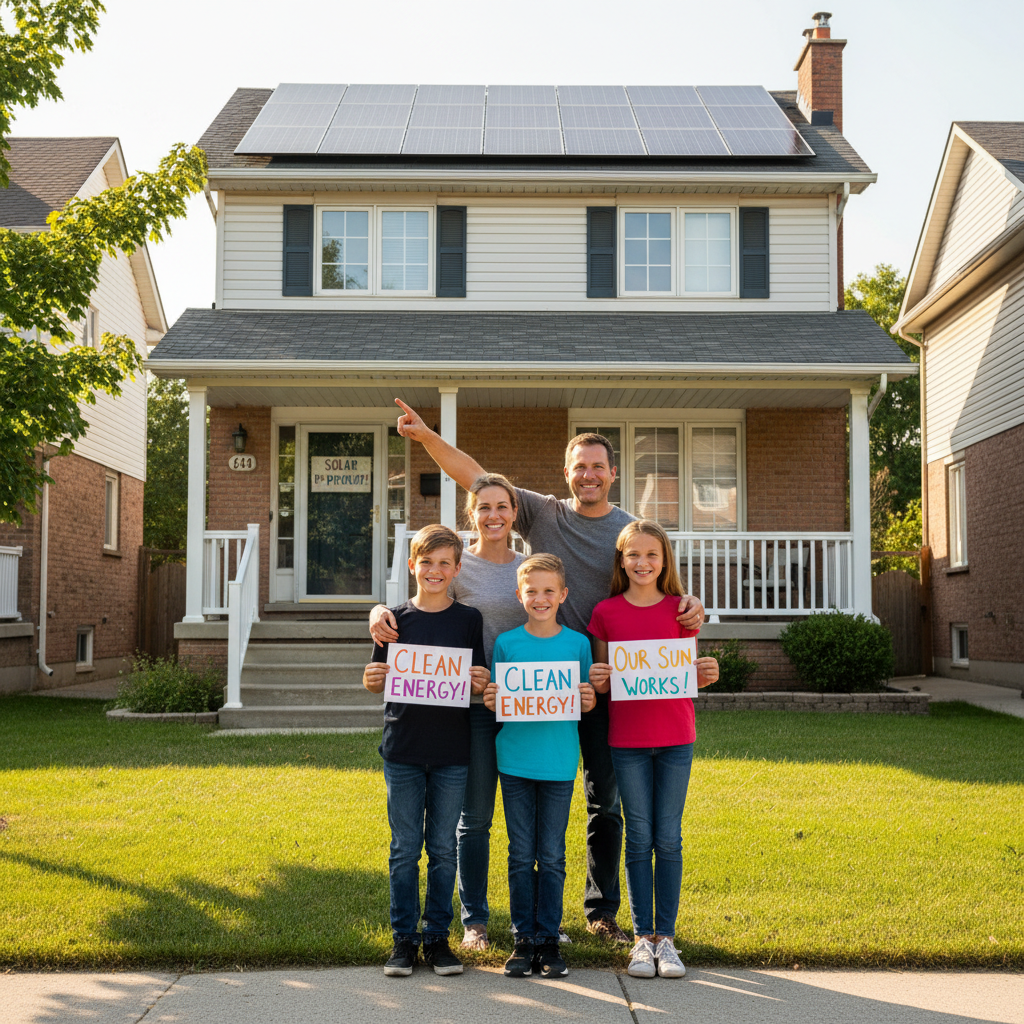
Pairing solar with a battery is the ultimate net-zero setup. Without a battery, solar panels only work during the day (you export excess to the grid). With a battery, you store that excess for nighttime use—maximizing self-consumption and energy independence.
☀️ Solar Only (No Battery)
- ✓ Net-zero: 65-75%
- ✓ ROI: 6-8 years
- ✓ Upfront cost: $11K-$19K
- ✗ No backup power
- ✗ Night: Grid-dependent
☀️🔋 Solar + Battery
- ✓ Net-zero: 85-95%
- ✓ ROI: 7-10 years
- ✓ Upfront cost: $18K-$28K
- ✓ 24-48hr backup power
- ✓ Night: Battery-powered
✓ Electrical Panel Upgrade
Batteries require 240V circuit + backup panel (critical loads only). Budget $1,500-$3,000 for electrical work.
✓ Temperature Requirements
Most batteries operate -10°C to +45°C. Install in basement/garage (not outdoors in winter). Frozen batteries void warranty.
✓ Warranty & Lifespan
10-15 year warranties. Batteries degrade ~2% per year. After 10 years: 80% capacity remaining (still usable).
✓ Critical Load Planning
13 kWh battery powers: Fridge (24hrs), furnace (48hrs), lights (72hrs), WiFi (96hrs). AC/stove drain batteries fast (4-6hrs).
Explore our other comprehensive guides
Ready to Calculate Your Battery Savings?
See exactly how much you'll save with battery storage. Get instant projections with 2025 HRSP rebates, backup power analysis, and ROI.
✓ Takes 3 minutes • ✓ No credit card • ✓ 500+ Toronto homeowners trust us